From vacancy to opportunity: Repurposing commercial property in Port Macquarie
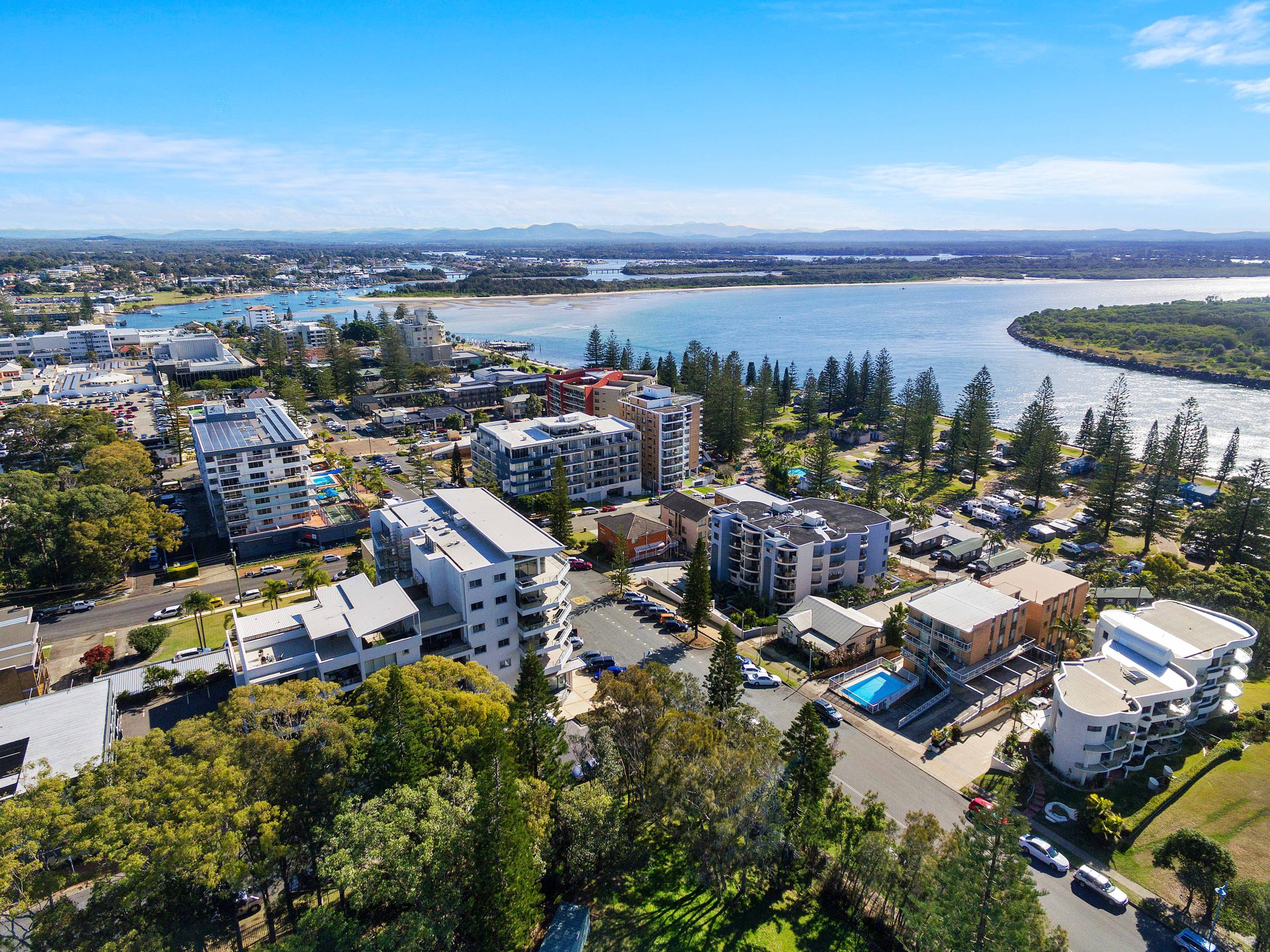
As one of regional New South Wales' fastest-growing coastal centres, Port Macquarie continues to attract new residents, investment and business activity. With significant infrastructure investment, population growth and an increasing role as a regional service hub, the opportunities for commercial property remain strong (Port Macquarie-Hastings Urban Growth Management Strategy 2017-2036).
Yet despite these positive foundations, vacant retail and commercial premises remain evident throughout parts of the CBD and surrounding commercial precincts.
Rather than viewing vacancy as simply a leasing challenge, it may be time to ask a different question: are these properties still aligned with what today's occupiers' need?
A changing regional city
Port Macquarie's transformation from a traditional coastal town into a regional city is reshaping demand across the commercial property sector.
The Port Macquarie-Hastings Council's City Heart Master Plan seeks to revitalise the CBD by encouraging investment, increasing housing opportunities, improving public spaces and creating a more vibrant city centre. At the same time, the region continues to experience population growth and economic diversification, creating demand from sectors beyond traditional retail (Port Macquarie-Hastings Council).
As businesses evolve, so too must the buildings they occupy.
Vacancy is often a sign that the market has changed
When a retail property remains vacant for an extended period, the issue is not always its location.
More commonly, it reflects a mismatch between the property and current occupier expectations.
Some of the factors that commonly contribute include:
- Rental expectations that exceed current market demand
- Floor layouts designed for traditional retail rather than service-based businesses
- Outdated presentation or fit outs
- Limited marketing that focuses on the property rather than its potential
- A tenancy mix that no longer reflects how people use the CBD
Simply re-listing a vacant property without changing its positioning often produces the same outcome.
Looking beyond traditional retail
Retail will always play an important role in Port Macquarie's city centre, but the definition of a successful commercial precinct has broadened considerably.
Many businesses now driving activity within regional centres are service-based rather than retail-focused.
These include:
- Allied health providers
- Medical and consulting suites
- Professional offices
- Education and training providers
- Wellness and fitness operators
- Hospitality businesses
- Community organisations
- Flexible workspaces and creative industries
Many existing shopfronts can accommodate these uses with relatively modest alterations, particularly where planning controls support a diverse range of commercial activities. The NSW Planning Framework for Port Macquarie's commercial centres encourages investment, employment-generating uses and a diverse mix of business, community and retail activities (NSW Planning Framework).
Repositioning can create new opportunities
Repurposing a commercial property does not necessarily require a complete redevelopment.
Often, the most effective outcomes come from taking a strategic step back and reassessing the asset.
This may involve:
- Reviewing rental expectations against current market conditions
- Improving presentation and street appeal
- Updating internal layouts
- Targeting different industries rather than traditional retailers
- Refining marketing to focus on the property's best potential use
The objective is not simply to lease the property; it is to identify the occupier most likely to succeed in that location.
Thinking differently about commercial assets
As Port Macquarie continues to mature as a regional city, commercial property owners have an opportunity to think beyond conventional leasing strategies.
The city's long-term planning vision is centred on creating an active, accessible and economically vibrant CBD that supports a broader mix of businesses and experiences. Achieving that vision will require commercial buildings that can adapt alongside changing business needs (Port Macquarie-Hastings Urban Growth Management Strategy 2017–2036).
For owners with long-standing vacancies, the solution may not simply be finding another retailer. Instead, it may involve identifying an alternative use that better reflects how businesses operate, how people access services and how the city centre continues to evolve.
Taking a long-term view of a commercial asset means looking beyond the immediate vacancy and considering its highest and best use. By aligning a property's positioning with changing occupier demand and market conditions, owners can unlock greater value, improve leasing outcomes and enhance the long-term performance of their investment.