Online retail growth fuels demand for Newcastle industrial space
E-commerce isn't just changing how Australians shop, it's helping to reshape Australia and Newcastle's industrial property landscape. The rise of online retail continues to be one of the strongest structural demand drivers for logistics and warehousing, influencing everything from land values to lease terms and design standards.
E-commerce by the numbers
Prior to COVID, Australia was starting the shift to more online spending however as many would agree, the years during COVID pushed online sales to new levels not previously seen. The Reserve Bank of Australia recorded that online sales accounted for 10-15 percent of the total value of retail sales during the second half of 2021, up from an average of 6 percent in 2019. They correctly predicted that this shift would likely become permanent long after any health concerns passed due to the large investment made by companies to improve their online platforms and distribution channels.
The Australian Bureau of Statistics in 2024 recorded that Australians spent a record $69 billion online, marking a 12% year-on-year increase. This surge in online spending reflects a broader shift in consumer behaviour, with 9.8 million households engaging in online shopping, a 2.3% rise from the previous year.
Despite this growth, Australia's online retail adoption rates remain below that of other major markets.
Top 10 Countries by Online Retail Penetration (2024):
- China: 47%
- Indonesia: 32%
- UK: 31%
- South Korea: 30%
- US: 16%
- Mexico: 14.2%
- Singapore: 14%
- Japan: 14%
- Russia: 13%
- Australia: 12.7%
Why are other countries more advanced in online retail penetration?
Several factors explain why countries like China, the United States, and South Korea lead the world in online retail market share:
- High population density: Countries with dense urban populations, such as China, Japan, and South Korea, benefit from shorter delivery distances, which reduces logistics costs and improves efficiency. This makes online shopping more convenient and faster for consumers.
- Infrastructure investment: Major markets have heavily invested in digital infrastructure, including high-speed internet, mobile connectivity, and advanced logistics networks, enabling seamless online shopping experiences.
- Global E-commerce giants: Platforms such as Amazon, Alibaba, JD.com, and Coupang have scaled operations in these countries, optimised supply chains, and introduced innovative fulfilment technologies, raising consumer expectations and driving adoption.
- Consumer behaviour: In these markets, consumers are highly accustomed to shopping online for convenience, a wider selection, and competitive pricing, reinforcing habitual e-commerce use.
- Efficient logistics and delivery networks: Well-established first-mile and last-mile networks ensure reliable and fast delivery, which encourages repeat online purchases.
Australia’s e-commerce sector is growing steadily, but lower population density in many regions, fewer ultra-fast delivery networks, and smaller-scale operations of global e-commerce giants mean there is still substantial opportunity for growth.
Top 10 Goods and Services Purchased Online in Australia
In 2024, Australia Post reported that Australians favoured the following categories for online shopping. The categories are ranked by relative online sales volume, showing which products drive the most e-commerce revenue and consumer demand
Top 10 Goods and Services Purchased Online in Australia
Top 10 Online Categories in Australia (2024)
1. Online Marketplaces – 23% of online spend
- Description: Platforms that aggregate multiple sellers under one website.
- Examples: eBay, Amazon, Catch.com.au
- Products: All categories – electronics, fashion, homewares, toys, etc.
2. Food & Liquor – 19.8% of online spend
- Description: Online grocery and specialty food purchases.
- Examples: Woolworths Online, Coles Online, alcohol delivery services
- Products: Fresh produce, pantry staples, alcohol, gourmet items
3. Fashion & Apparel – 13.9% of online spend
- Description: Clothing, footwear, and accessories.
- Examples: The Iconic, ASOS, Shein
- Products: Shirts, dresses, shoes, handbags, activewear
4. Home & Garden – 13.4% of online spend
- Description: Furniture, décor, appliances, and gardening supplies
- Examples: Bunnings Online, Temple & Webster, Fantastic Furniture
- Products: Small appliances, furniture, garden tools, lighting
5. Consumer Electronics – 11.2% of online spend
- Description: Devices and gadgets for personal or home use
- Examples: JB HiFi, Harvey Norman, Kogan
- Products: Smartphones, laptops, TVs, gaming consoles, smart home device
6. Hobbies & Recreational Goods – 5.8% of online spend
- Description: Items for leisure, crafts, and recreation
- Examples: EB Games, Spotlight, specialty hobby stores
- Products: Video games, board games, crafting materials, musical instruments
7. Department Stores – 4.7% of online spend
- Description: Multi-category retailers selling a wide range of goods online
- Examples: Myer, David Jones, Big W, Kmart
- Products: Clothing, homewares, cosmetics, toys, small electronics
8. Health & Beauty – 4.4% of online spend
- Description: Wellness and personal care products
- Examples: Chemist Warehouse, Priceline, Adore Beauty
- Products: Skincare, cosmetics, vitamins, personal care items
9. Books, Stationery & Multimedia – 3.2% of online spend
- Description: Physical and digital media, office supplies
- Examples: Booktopia, Dymocks, JB HiFi (music & movies)
- Products: Books, e-books, magazines, CDs, DVDs, stationery
10. Specialty Services / Digital Content – 2–3% of online spend
- Description: Digital services or content purchased online
- Examples: Online subscriptions (Netflix, Spotify), online courses, travel bookings
- Products: Streaming services, e-learning, digital software, event tickets
Impacts on the Industrial and Logistics market in Newcastle
E-commerce growth has created unprecedented demand for modern, efficient, and well-located warehouse space in Newcastle with access to key arterial roads.
Key local trends include:
- Last-mile logistics driving demand for smaller warehouses closer to major population centres.
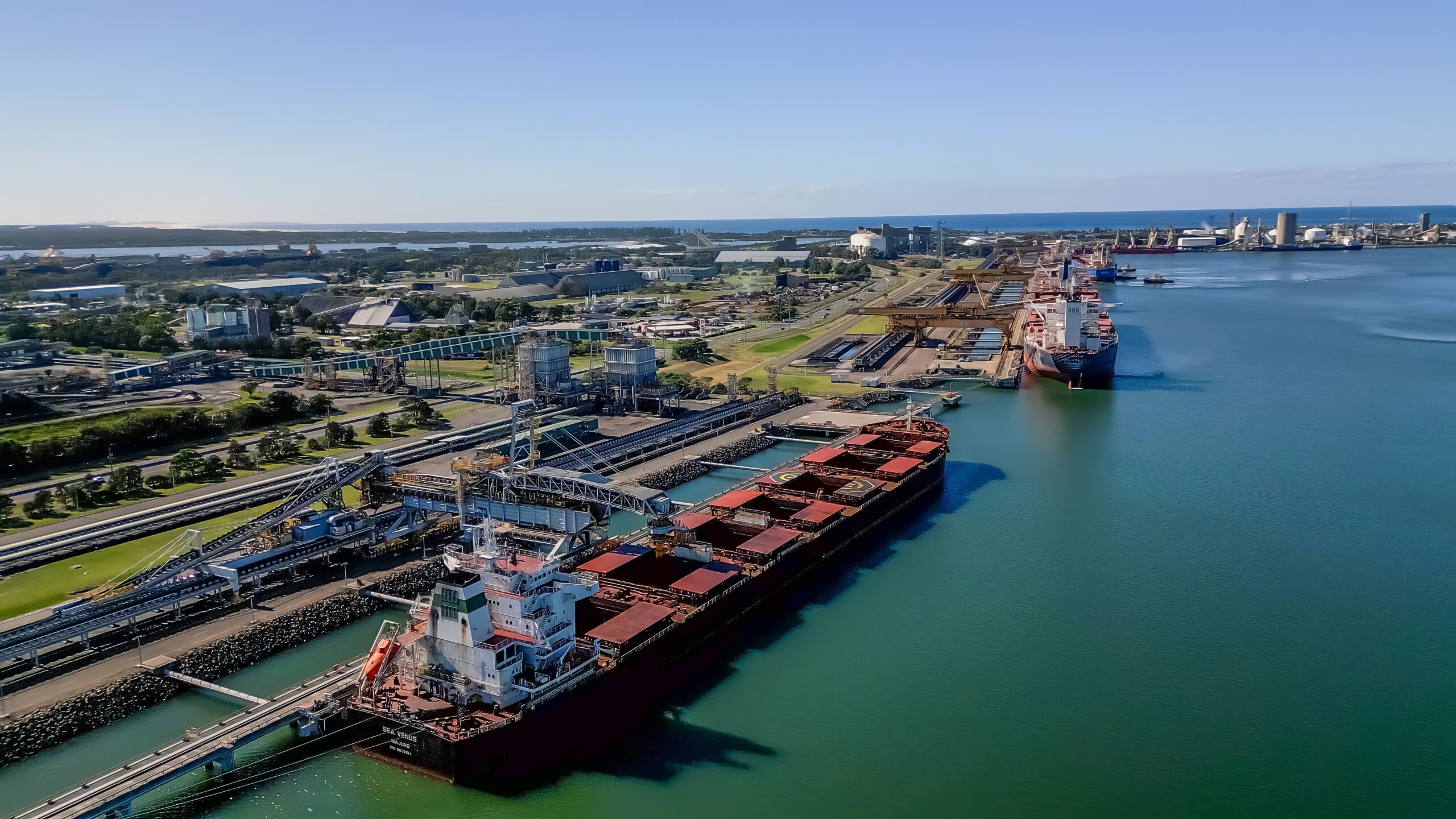
- First-mile logistics, which involves moving goods from manufacturers to distribution centres, requiring large, well-located industrial sites.
First-mile vs Last-mile logistics:
- First-mile: Movement of goods from manufacturers or suppliers to warehouses or distribution hubs.
- Last-mile: Final delivery from the warehouse or fulfilment centre to the customer’s door. This stage is critical in e-commerce, as speed, convenience, and reliability all directly impact the customer experience.
- Record-low vacancy rates across Newcastle's and the Hunter Region’s industrial markets continue to push rental growth and strong competition among tenants.
- Modern specification requirements, including higher clearances, automation capability and sustainable building standards.
- Institutional investment appetite, as logistics assets deliver stable returns and long-term leasing opportunities.
For investors this means a sustained period of strong demand but also rising tenant expectations for upgraded facilities and flexible lease terms.
Key road infrastructure projects in Newcastle and the Hunter Region
Several major projects are underway on roads in the region to improve traffic flow, freight efficiency, and connectivity:
- Newcastle Inner City Bypass (Stage 5): Completing the missing link between Rankin Park and Jesmond, reducing congestion and improving freight movement.
- Pacific Highway upgrades: Ongoing widening and safety improvements to key freight routes connecting Newcastle to Sydney and the Central Coast.
- M1 to Pacific Highway extension: Enhancing connectivity between the Hunter Expressway, M1 Motorway, and Pacific Highway to support heavy vehicle access and reduce congestion.
- Fern Bay and Sandgate Road upgrades: Targeted improvements to support industrial and commercial traffic, including heavy vehicle access.
These projects strengthen Newcastle and the Hunter Region’s position as a regional logistics hub, improving access for both freight operators and last-mile delivery services.
E-commerce is no longer a retail trend, it's a core economic force shaping Australia and Newcastle's industrial and logistics markets. With strong population growth, strategic location close to Sydney, the international Port of Newcastle and international airport facilities coupled with key road infrastructure upgrades, Newcastle and the greater Hunter Region is poised to remain a highly attractive market.
For industrial property investors and landlords, this represents a long-term opportunity for well-located, high-spec industrial assets that will continue to outperform those in other markets.
Sources:
- https://ecommerce-report.auspost.com.au/customer-spending-insights
- https://7news.com.au/news/australians-spent-record-69-billion-online-shopping-in-2024-c-18093298
- https://www.abs.gov.au/statistics/industry/retail-and-wholesale-trade/retail-trade-australia/latest-release
- www.mobiloud.com/blog/ecommerce-percentage-of-retail-sales
- Reserve Bank of Australia: Tracking consumption during the COVID-19 pandemic