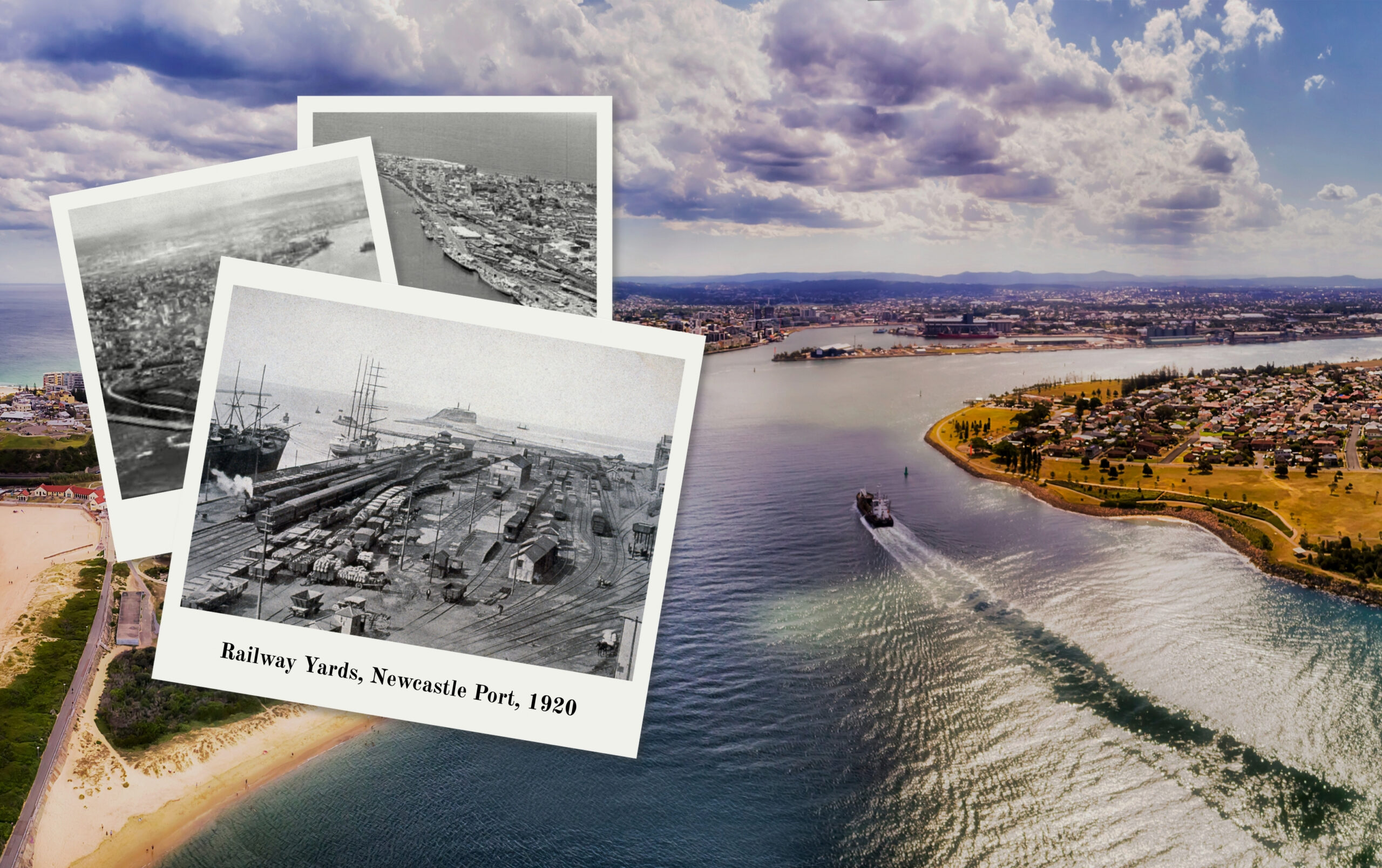
How the Port of Newcastle anchored the Hunter Region’s $180 billion economy
The Port of Newcastle story began with the pursuit of a stolen government vessel. In September 1797, Lieutenant John Shortland was dispatched from Sydney to track the escaped convicts who had stolen this vessel and in entering what is now the Hunter River, he recorded extensive coal seams along its banks and a navigable harbour capable of supporting trade. Those observations established the foundations of Australia’s first commercial coal export port (University of Newcastle).
The harbour, situated on the Traditional Lands of the Awabakal and Worimi peoples, was quickly recognised for its industrial potential. Within years, coal was being shipped to Sydney, defining Newcastle not as an agricultural settlement, but as an export-driven industrial outpost (Port of Newcastle).
Industrial concentration and export scale
Throughout the nineteenth century, dredging works, wharf construction and rail expansion transformed the harbour into engineered trade infrastructure, linking Hunter Valley coalfields directly to global markets (Port of Newcastle).
By the early twentieth century, that infrastructure underpinned industrial concentration. The establishment of the BHP Steelworks in 1915, alongside bulk fuel, chemical and agricultural exporters operating around the harbour, positioned Newcastle as one of Australia’s most concentrated heavy manufacturing centres (City of Newcastle).
Coal shipments increased significantly, making the Port of Newcastle the largest coal export port globally. Today it handles more than 150 million tonnes of trade annually, supporting the Hunter Region economy generating approximately $180.4 billion in output and sustaining tens of thousands of jobs across mining, logistics and manufacturing (Port of Newcastle Trade Reports; Transport for NSW; REMPLAN).
From industrial waterfront to urban renewal
The gradual decline of heavy industry through the late twentieth century, due to the closure of the Steelworks in 1999, marked a structural shift in Newcastle’s economic profile. Large tracts of rail and industrial land along the harbour’s edge became surplus to operational requirements.
The establishment of the Honeysuckle Development Corporation in 1992 formalised the transition of the harbourfront from industrial infrastructure to mixed-use urban precinct (Honeysuckle Development Corporation). Government-led master planning and staged land release repositioned former working port land into commercial, residential and public domain assets, reorienting the CBD toward the water.
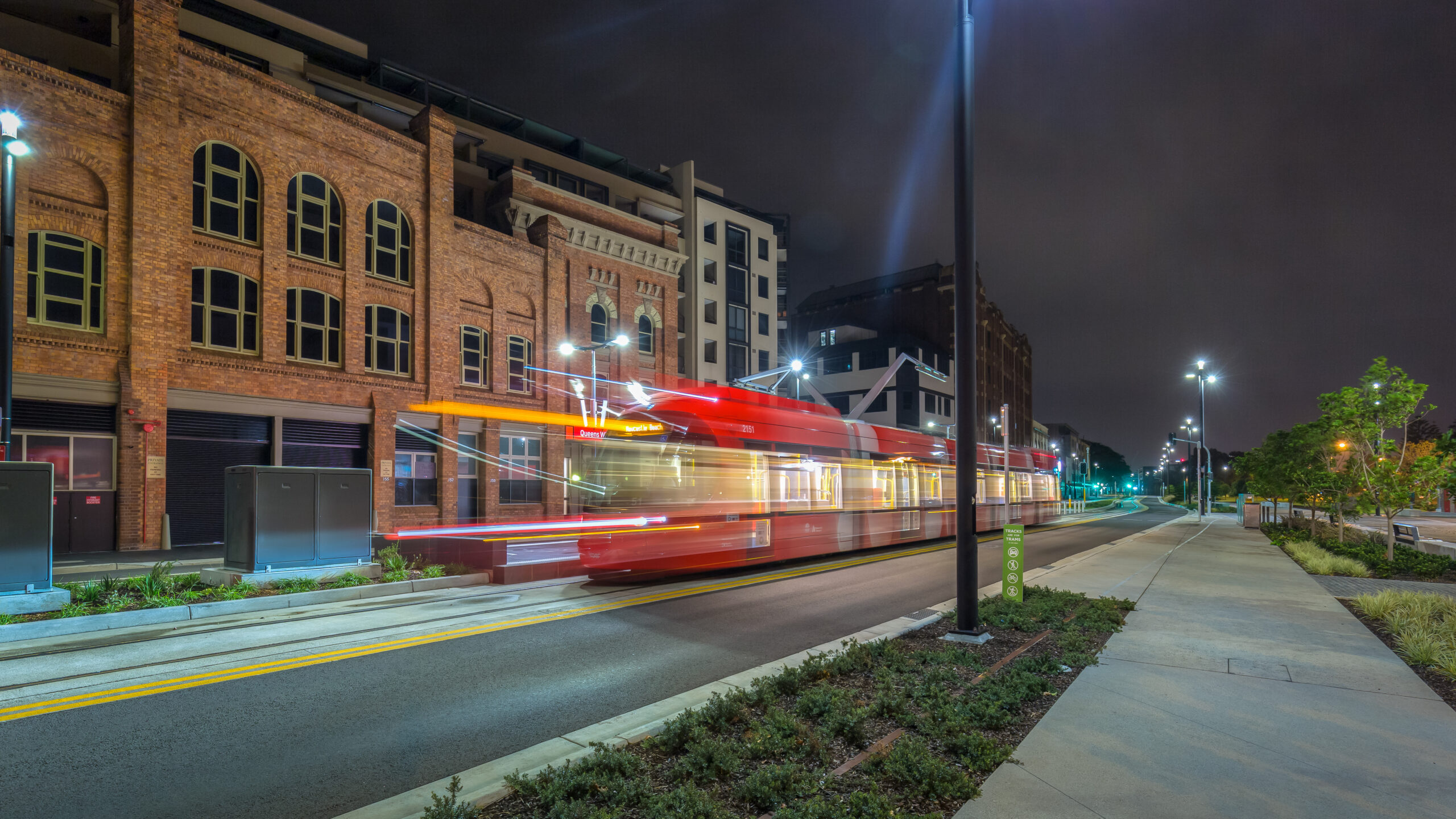
The CBD also entered a sustained phase of renewal in recent years, including vertical residential development, the introduction of light rail, adaptive reuse of heritage buildings, and major projects such as the East End redevelopment, the University of Newcastle’s inner-city campus and the proposed changes to Queens Wharf. Together, these projects are reinforcing the harbour’s evolution from industrial edge to civic and commercial frontage. Residential towers are now situated in places where rail yards once existed , reflecting continued capital confidence along the waterfront.
Governance reform and regional economic weight
In 2014, the NSW Government completed a 98-year lease of the Port of Newcastle to private operators, transferring operational control while retaining regulatory oversight. The transaction introduced a commercially structured governance model, enabling long-term capital investment and positioning the Port to support infrastructure expansion and trade diversification (NSW Government).
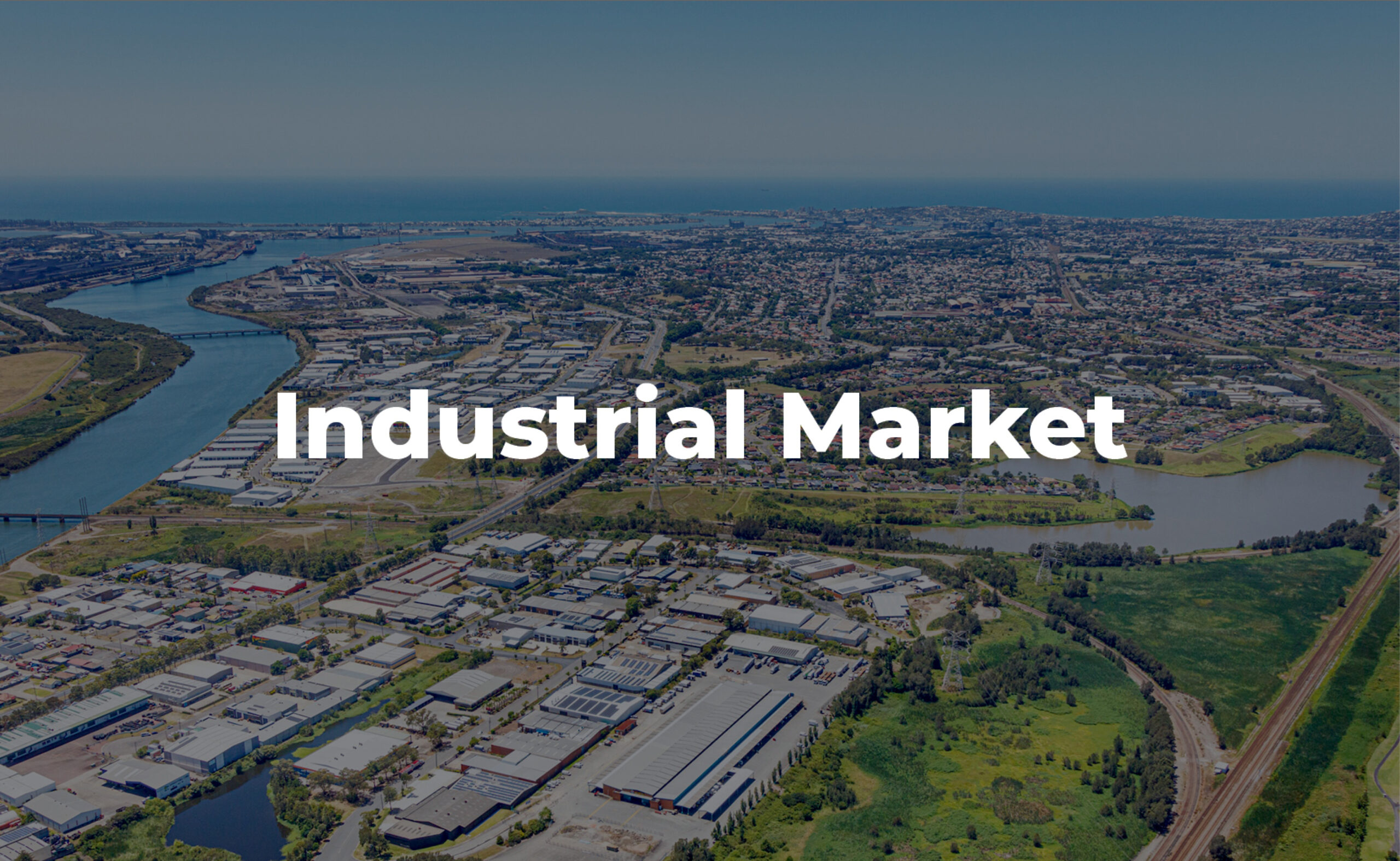
Today, the Port remains central to the Hunter Region’s economic output, supporting thousands of direct and indirect jobs and connecting inland producers to global markets through established rail and road corridors (Transport for NSW). Industrial precincts including Mayfield West, Kooragang, Tomago and Beresfield continue to absorb logistics and warehousing demand shaped by port accessibility and improving transport connectivity, including the M1 extension and regional bypass upgrades that strengthen freight efficiency between the Port and key arterial networks.
This sustained demand for industrial land has contributed to the emergence of new precincts such as Black Hill, near Beresfield, developed to accommodate continued logistics growth and proximity to both port and motorway infrastructure.
What the future holds for the Port of Newcastle
While coal remains dominant, the Port’s strategic planning identifies diversification across bulk agriculture, fuel security and emerging clean energy supply chains, supported by continued infrastructure investment and freight network integration (Port of Newcastle Strategic Plan). This includes planning for the Newcastle Deepwater Container Terminal proposal, expansion of bulk and berth capacity, and the development of a Clean Energy Precinct aimed at supporting future export industries. As global trade evolves, these initiatives signal an intent to broaden the Port’s cargo profile while strengthening its role within national supply chains.
For the property market, that stability translates into sustained demand. Industrial precincts tied to port access continue to attract logistics and warehousing investment, while the harbour’s edge from Honeysuckle through to King Street is strengthening its mixed-use commercial foundations. Commercial office, residential density and evolving retail and medical uses reflect sustained capital movement toward the harbour and away from its former industrial function. The Port of Newcastle remains the structural constant within that shift.