
Lease to buy commercial property: when leasing first can make strategic sense
Sometimes the timing of finding the right building does not always come onto the market in line with a business being ready to purchase it. Businesses may still be arranging finance, restructuring existing assets, or planning operational changes when a suitable property becomes available. At the same time, well-located commercial buildings are often tightly held and may not remain on the market for long.
In markets where suitable properties can be difficult to locate, securing the right premises can become the immediate priority. In these situations, a lease to buy commercial property arrangement can provide a practical pathway forward.
How a lease to buy arrangement works
A lease-to-buy arrangement typically involves a tenant entering into a lease while maintaining a defined pathway to purchase the property at a later stage. This may be structured through a formal option to purchase included within the lease, or through an agreement that allows the tenant to acquire the property within a specified timeframe.
The structure provides flexibility for both parties. The tenant can secure and occupy the premises immediately, while the owner receives rental income during the period before the transaction is completed. In practice, the arrangement helps bridge the gap between securing the right property and completing the acquisition, particularly where operational timing and financing arrangements do not perfectly align.
Why businesses lease before they buy
Businesses often make property decisions based on operational timing rather than ownership timelines. There are several common situations where a lease to buy structure can provide a practical solution.
Securing the right property
Suitable properties that meet operational requirements can be limited. When a building becomes available that aligns with a business’s needs, securing the premises may become the priority. A lease to buy structure allows the tenant to occupy the property while retaining the ability to purchase it later.
Allowing time to arrange finance
Commercial property acquisitions often require detailed financing arrangements. Businesses may need time to organise lending approvals, restructure existing assets or finalise capital allocations. A lease-to-buy arrangement can provide this time without delaying operational plans.
Supporting operational consolidation
Many businesses operate across multiple locations before eventually consolidating operations into a single facility. Relocating teams, equipment and inventory can take time and completing a purchase before these changes occur may not always be practical. Leasing the property first allows the business to transition operations into the building before completing the acquisition.
Advantages of lease to buy arrangements for property owners
Lease-to-buy arrangements can also provide advantages for property owners by combining income security with a potential pathway to sale.
- Immediate rental income during the lease period, providing certainty while the future transaction is finalised
- A committed occupier who intends to purchase the property, strengthening the likelihood of a completed sale
- Improved asset care, as tenants with a purchase pathway often treat the property as a long-term operational base
- Flexibility to allow a buyer time to arrange finance or operational changes while still receiving income from the asset
While these arrangements can be effective, it is important to recognise that tenants are not typically obligated to complete the purchase. As a result, the lease structure should be carefully considered to ensure the asset remains attractive to the broader market if the option is not exercised. Key things to consider are:
Lease term
The lease term should balance security for the tenant with flexibility for the owner. A structure that is too long or restrictive may limit the pool of future buyers, while a well-considered term can support both income stability and saleability.
Rent Agreement
The agreed rent should reflect prevailing market conditions and remain viable from an investment perspective. This ensures the asset continues to appeal to investors if offered for sale during or after the lease period.
Option period
The option to purchase is typically time-bound and should be structured to maintain certainty around pricing and transaction timing. In many cases, a shorter option period, often up to 12 months, provides a clearer pathway for both parties.
When structured appropriately, these considerations help protect the owner’s position while still enabling the flexibility that makes lease to buy arrangements effective.
Structuring the right transaction approach
Commercial property transactions often involve more than simply identifying the right asset, with the challenge typically centred around aligning availability with financing, operational planning and long-term ownership strategy. Lease to buy arrangements can provide a practical solution where timing does not align, allowing both owners and occupiers to progress a transaction while maintaining flexibility around future ownership.
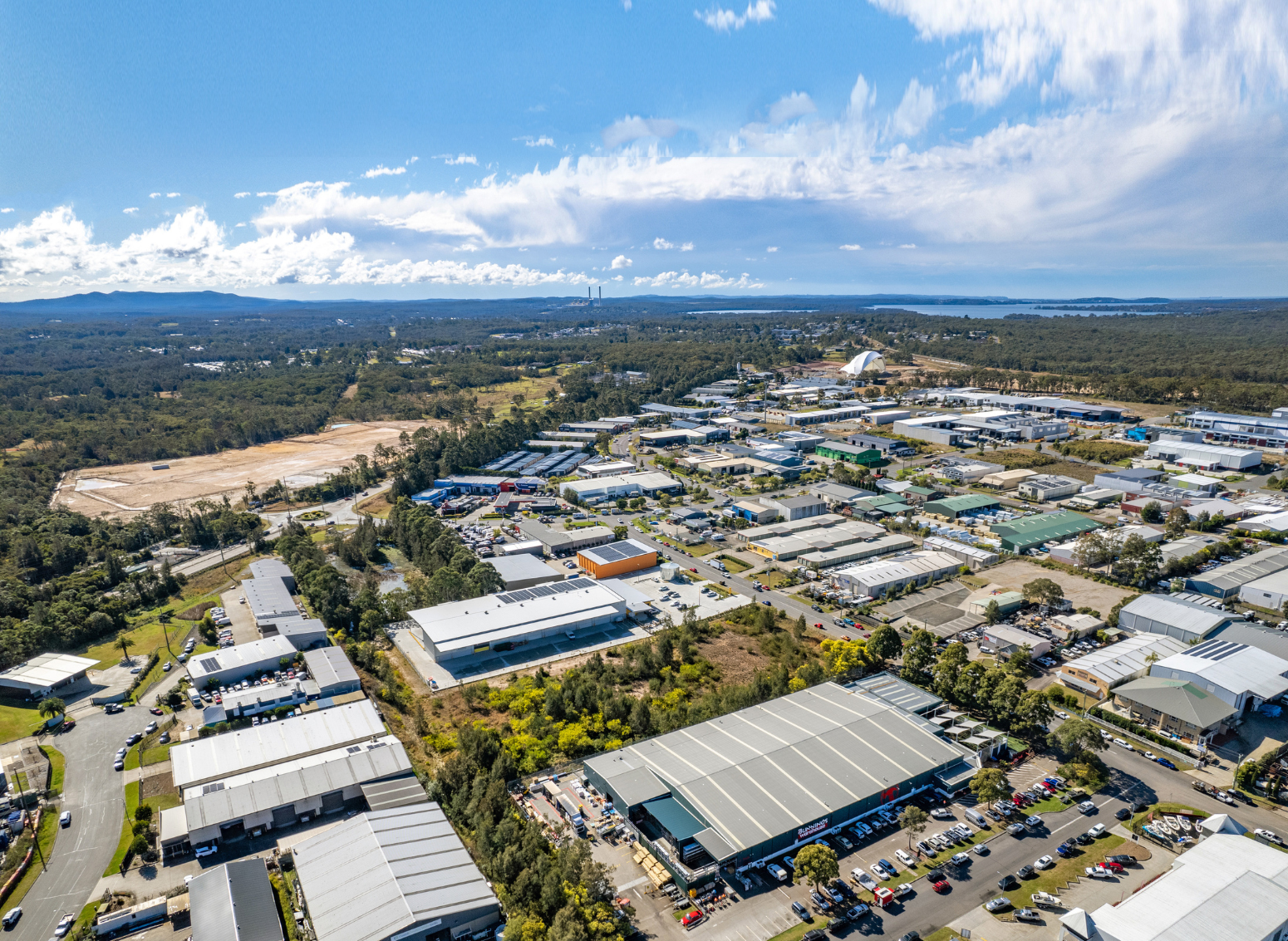
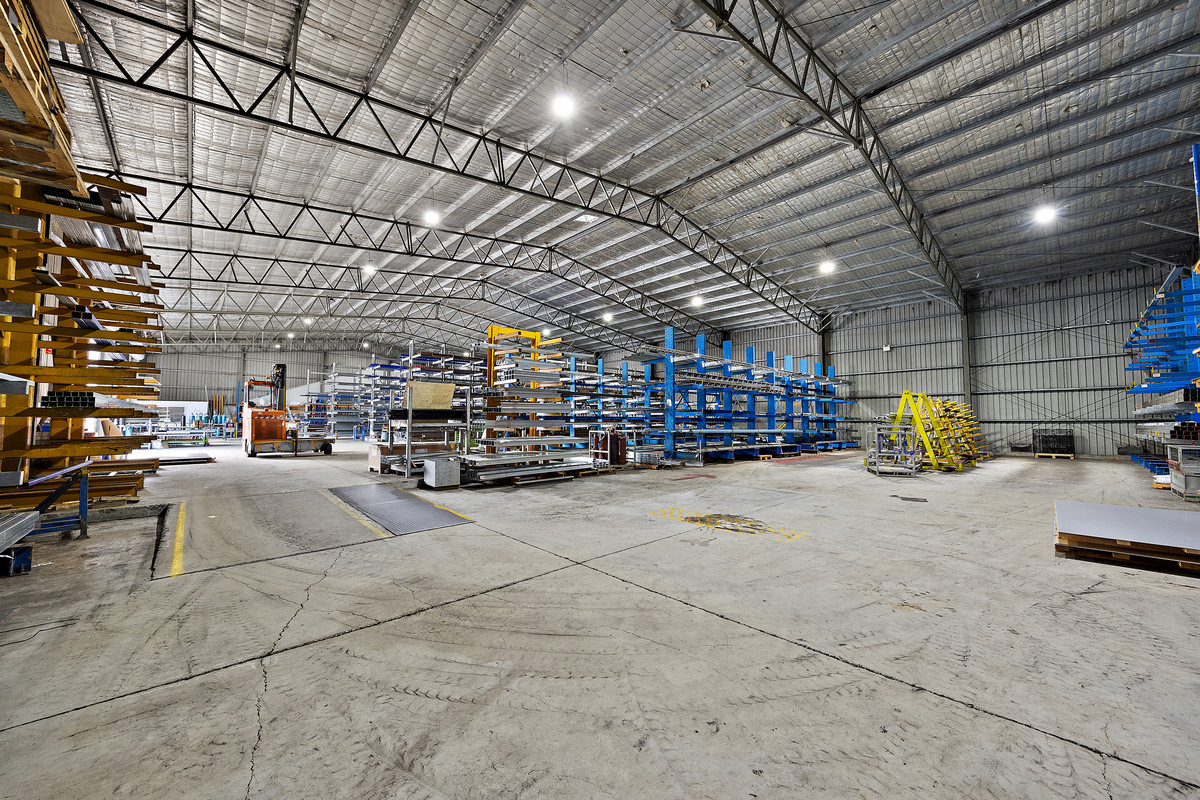
This has been demonstrated in a recent transaction at 109 Munibung Road, where the occupier secured the property under a lease-to-buy structure, allowing time to transition their operations and position themselves for a future acquisition.
These structures must be carefully considered. As tenants are not typically obligated to complete the purchase, the lease profile should ensure the asset remains attractive to the broader market if the option is not exercised. Working with experienced commercial property advisors can help ensure the structure supports both the immediate opportunity and longer-term objectives of all parties involved. Contact us to discuss how we can support your next acquisition or disposal strategy.