From Legacy Assets to Modern Workspaces: The Rise of Adaptive Reuse in Newcastle
Newcastle, historically known for its robust industrial and commercial foundations, is witnessing a significant evolution in the utilisation of its built environment. In recent years, adaptive reuse has transitioned from a specialised architectural approach to a prominent trend influencing the city’s commercial and industrial property sectors. Rather than demolishing old structures, developers, planners, and community stakeholders are increasingly transforming them to meet modern economic, social, and sustainability goals.
Understanding Adaptive Reuse
Adaptive reuse is the process of repurposing an existing heritage or industrial building for a different function than its original design. By adopting this method, communities can maintain their cultural heritage, lessen their environmental footprint, and drive renewal of urban areas, which is strongly supported by Newcastle’s planning framework.
Drivers Behind the Trend
Several factors are driving adaptive reuse in Newcastle:
- Urban Renewal and CBD Growth
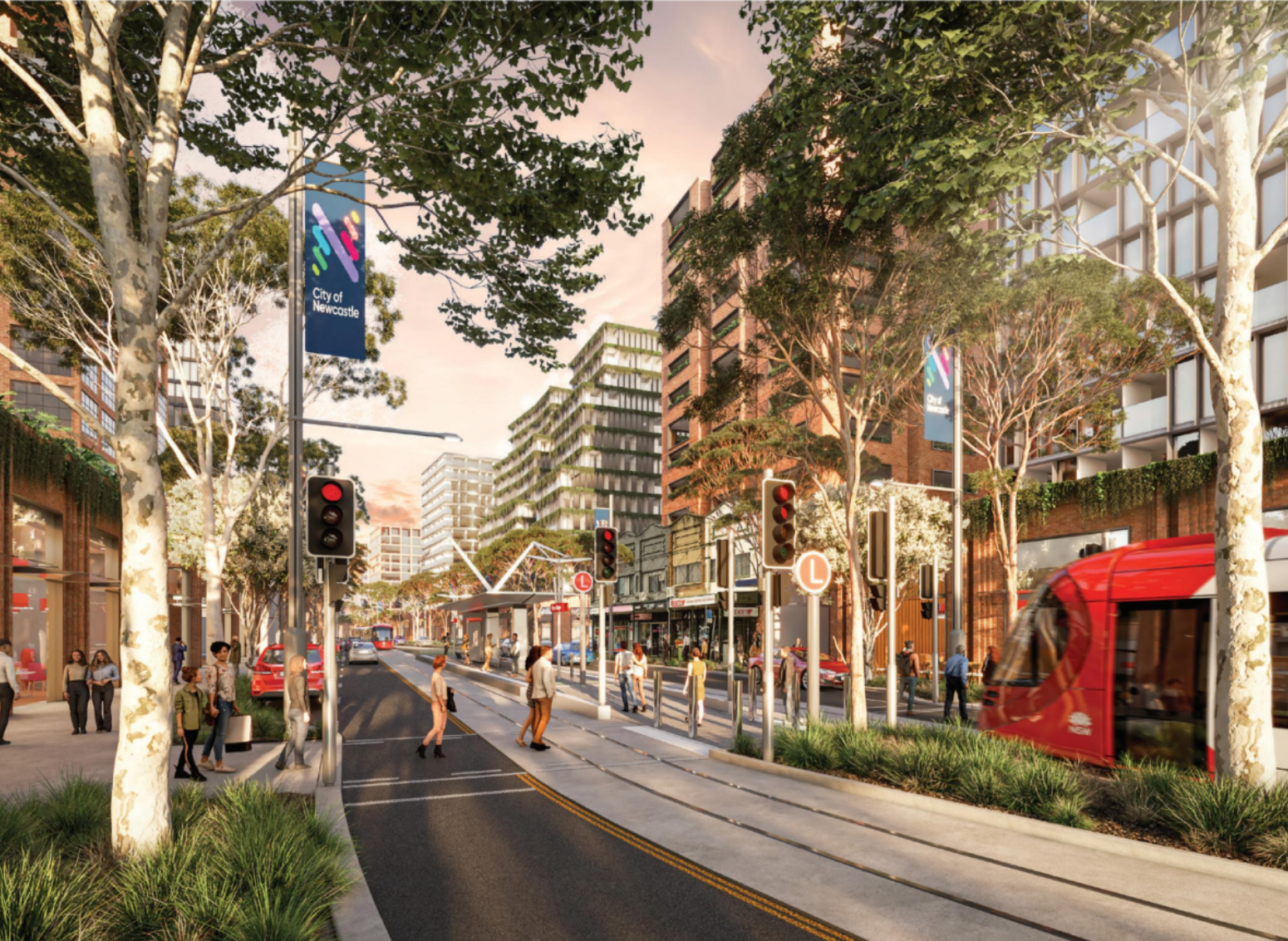
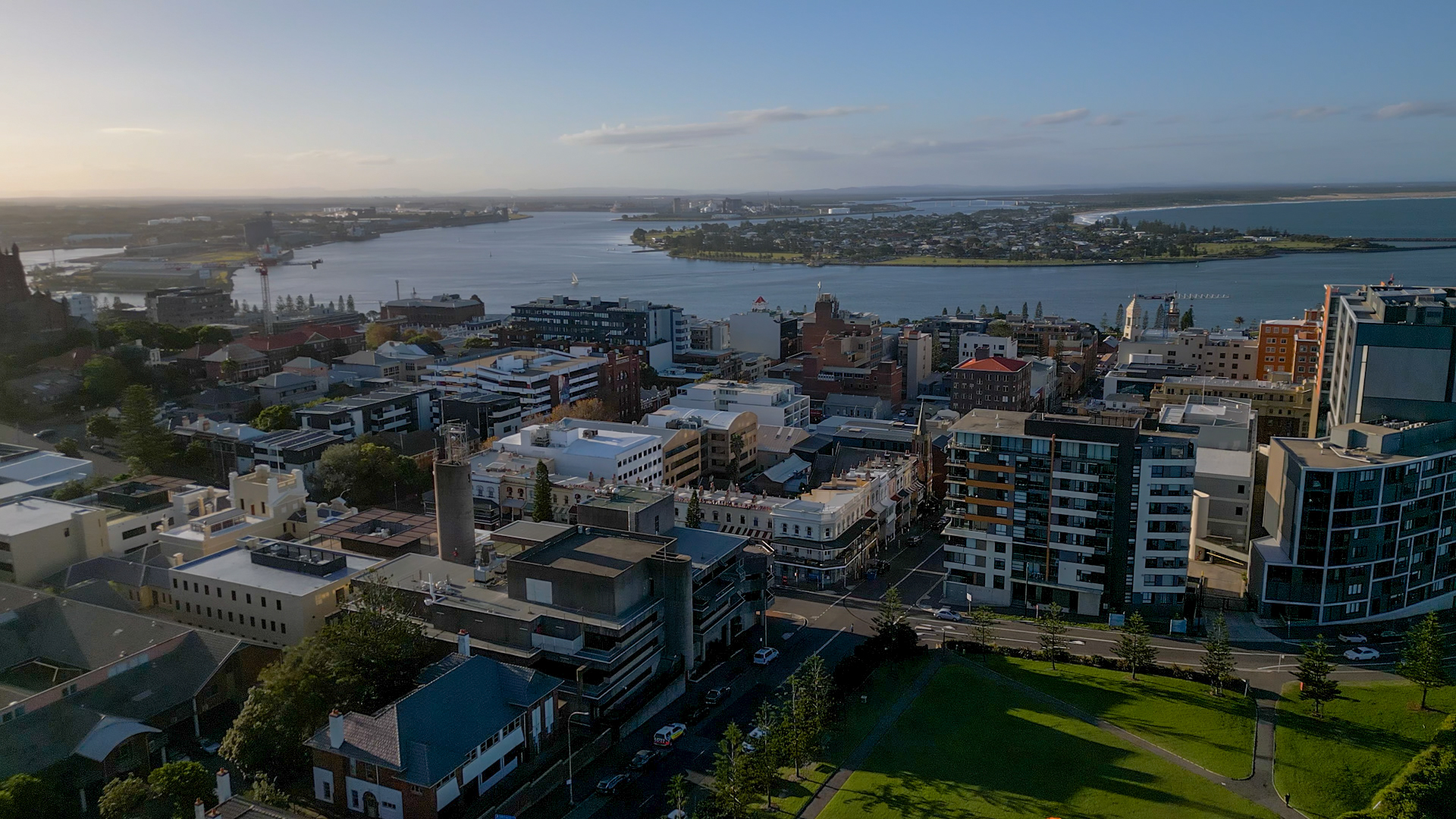
Newcastle’s ongoing revitalisation, from Honeysuckle waterfront redevelopment to new transport and urban infrastructure, has increased demand for dynamic mixed-use industrial and commercial properties. The city’s heritage and industrial buildings provide a foundation for adaptive reuse projects that combine history with innovation.
- Sustainability and Economic Efficiency
Adaptive reuse reduces embodied carbon by retaining existing structures and minimising the need for new materials, aligning with broader sustainability goals in the construction industry. Repurposed buildings also retain their place in the city, often reducing construction waste and environmental impact compared with demolition and new builds (Sustainability Matters).
- Market Shifts
In a property market where construction costs are rising and quality inner-city stock is limited, older commercial buildings with repositioning potential have become more attractive to investors and developers. Newcastle’s lower-grade office stock, for example, saw reduced vacancy partly because buildings were repurposed rather than remaining on the market languishing unused.
Notable Adaptive Reuse Projects in Newcastle
Key West: Involving the adaptive reuse of a former motor auctions building into high-end commercial office spaces in Newcastle West. Approved in early 2025, the development reflects growing confidence in repurposing existing buildings for modern business uses (Commercial Collective).
Watt Space Gallery: Adaptive reuse of a heritage building into a contemporary art gallery and cultural hub supports the local creative community while adding vibrancy to the city’s cultural precinct (Andrew Donaldson)
Watt St Commercial Offices: The conversion of a former theatre into office space demonstrates how architectural ingenuity can merge historical building configurations with modern commercial needs (Indesign Live).
The Lock Up: A former police station converted into a contemporary art gallery, showcasing how even modest historic buildings can be creatively repurposed.
Urban, Economic and Environmental Impact
Adaptive reuse supports several broader urban outcomes:
- Heritage Conservation and Identity: By retaining historic structures, Newcastle preserves cultural identity while accommodating new uses.
- Environmental Sustainability: Reuse reduces the carbon footprint of development compared to demolition and build cycles, supporting environmental goals.
- Economic Revitalisation: Repurposed buildings often become catalysts for local economic activity, attracting tenants, visitors, and investment in formerly dormant corridors.
Strategic Planning and Policy Support
Local planning policies explicitly encourage adaptive reuse, particularly where heritage buildings are retained and repurposed as part of broader urban design goals. Newcastle’s Development Control Plan prioritises adaptive reuse as a tool to protect heritage character while accommodating new commercial and mixed-use development within the city centre (City of Newcastle).
This policy direction reflects a broader recognition that adaptive reuse enhances liveability, supports economic diversification, and embeds sustainability into urban growth.
Challenges and Future Outlook
Despite its advantages, adaptive reuse comes with complexities, such as meeting modern building codes, managing structural constraints, and aligning new uses with historical layouts. Successful projects often require close collaboration between architects, developers, heritage specialists, and regulatory authorities.
Looking forward, adaptive reuse in Newcastle is likely to continue growing as a preferred development strategy that balances heritage conservation with contemporary urban and economic needs. Increasing demand for flexible office space, creative precincts, and mixed-use developments will keep existing commercial and industrial buildings at the centre of the city’s evolution. With supportive policy frameworks and growing market appetite, adaptive reuse is positioned to play a central role in shaping Newcastle’s urban future.